
The Ritual Sacrifice of the Morning Stand-Up
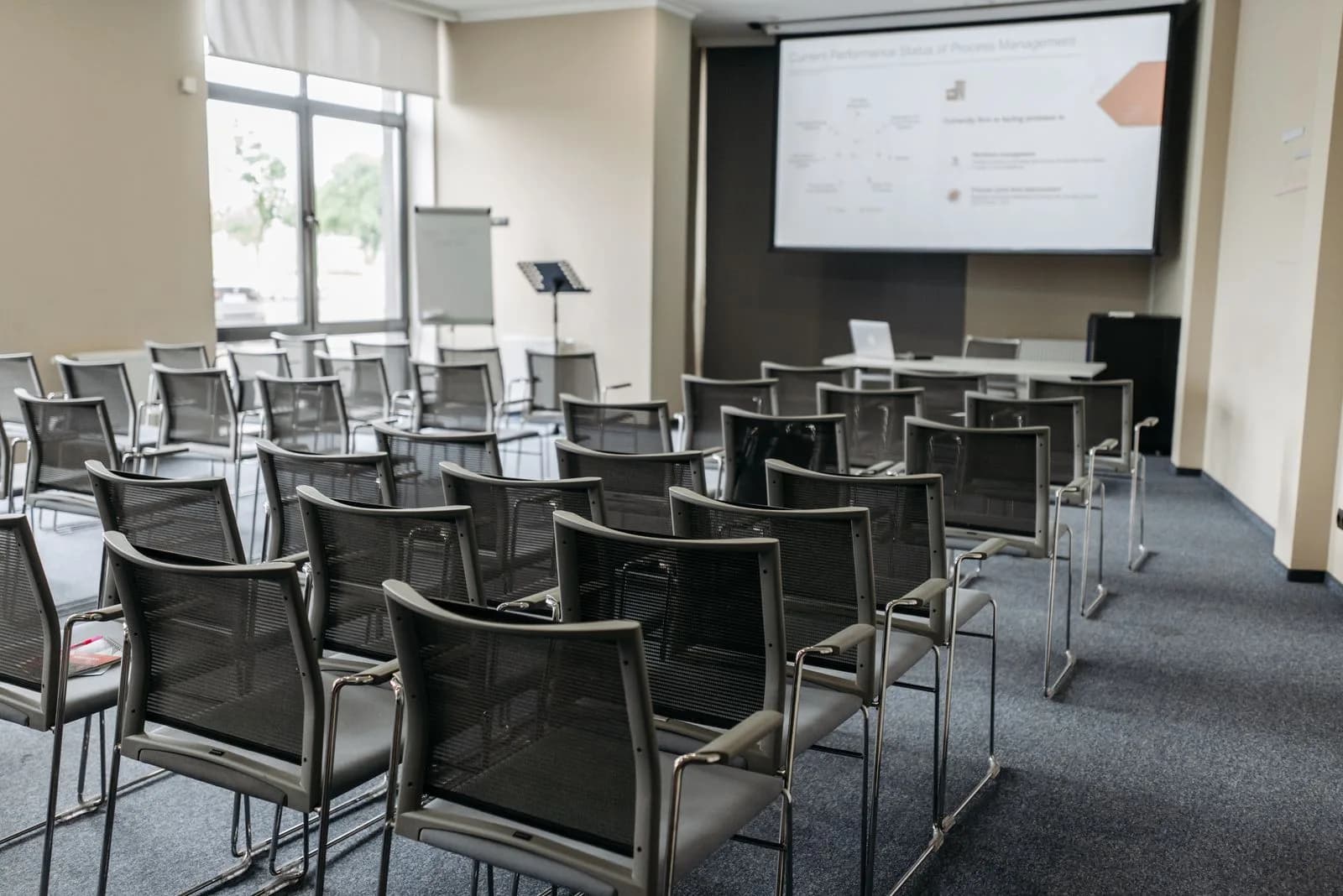
Every morning the company gathers around the center table, the one with the logo on it, to hear an update that could have been an email. Augustus says keep it on the calendar anyway. A stand-up that could have been an email still has a purpose, just not the one on the slide. It reminds people where they stand.
The Center Table
Never cancel it. You hold the stand-up even when there's nothing to say, and there usually isn't. Most of it was said all week, in the group chat, in the emails, in the one-on-ones. None of that matters. The stand-up exists so the person responsible for the thing has to stand in front of everyone and say how it's going. An email can be ignored. A group chat can be muted. But nobody skips giving an update at the table in front of the other eleven people. The person who hasn't done the work has to say so in front of the people waiting on them, and the people who have done the work get to watch.
The Standing Update
Give them a brief update even when nothing changed. A stand-up that repeats every day gives the company a shape, and people stop updating their resumes when the week has a shape. Nobody needs to know the update took you four minutes. They need to hear the company's on track and nobody's worried.
The Recognition Moment
Spend the last few minutes on one person and thank them for something recent. The thanks aren't really for them. They're for everyone watching around the table. It tells the room that visible work gets noticed and that you're the one who decides what gets noticed. Thirty seconds of praise a day costs you nothing and buys you a day of effort.
Conclusion
The stand-up is the only meeting that can't be skipped, and that's the point. Nobody checks out of a room where their name gets called. Keep it every morning and keep it short. The work gets done because once a day, someone has to say out loud that it isn't, in front of everyone who's waiting on it.
Augustus
Venture Doula