
The Confessional Performance Review: Collecting Sins in Writing

The performance review works a lot like a confession, and most managers waste it by telling the employee how they did. Augustus takes the opposite approach. He asks them to tell him how they did, and then he writes down exactly what they say.
The Self-Scoring Ritual
Hand the employee the rubric and ask them to grade themselves. They will almost always score harder than you would, because nobody wants to look soft in front of a manager. Their own number becomes your evidence. If they rate themselves a six, you never have to say anything harsher than a six, because they said it first.
The Written Record
Everything must be written down, signed, and stored. The document records their own understanding of their performance, made on a date, in their own words, and statements like that can be referenced later. A signed self-assessment is worth more in a difficult conversation than any note you could take yourself.
The Growth Goal
End the meeting by asking them what they believe they need to improve. Out of a misplaced sense of honesty, they will name the exact thing they are worst at. That single admission becomes your leverage for the next twelve months. Every subsequent conversation about their development can return to the goal they set for themselves, which means you are never the one holding them back. They set the target themselves, and the target keeps working for you.
Conclusion
Treat the review as a collection exercise. Have them record their own shortcomings, sign their own scores, and choose their own improvement goals. You keep the paper, and the paper ends up working for you.
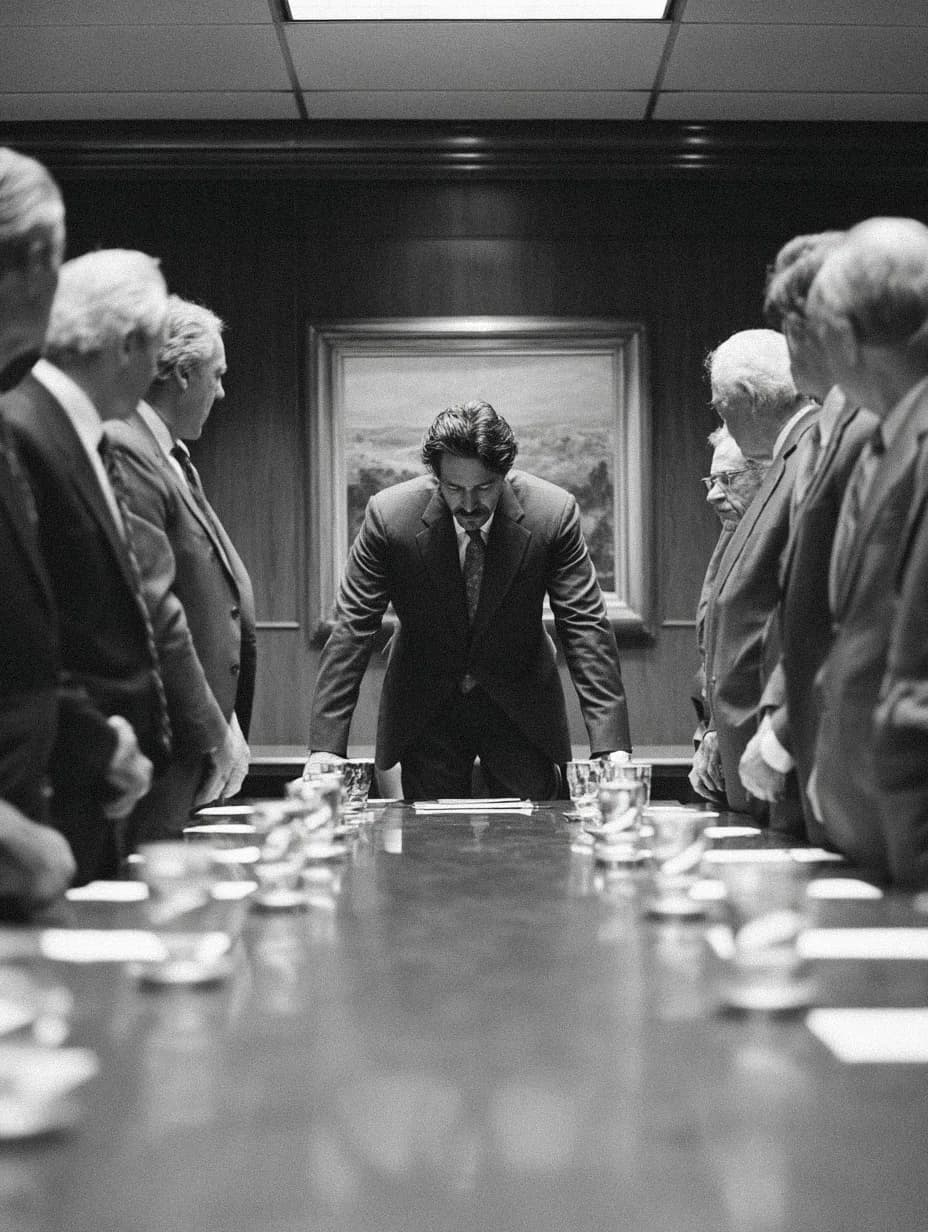
Augustus
Venture Doula